Table of Contents
- Introduction
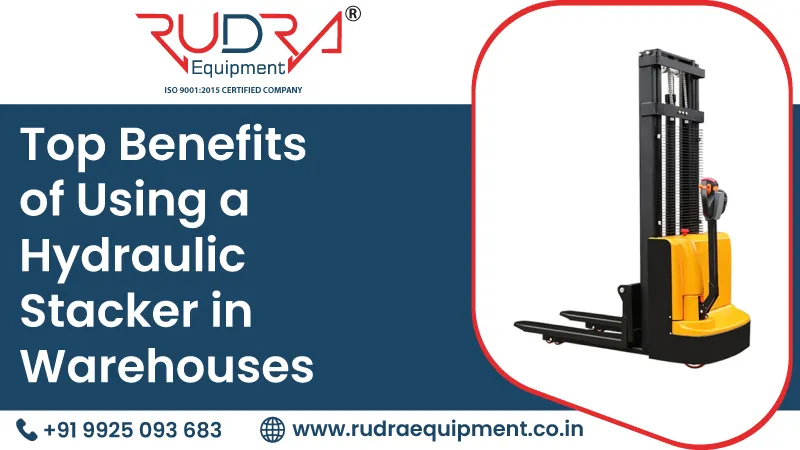
Warehouses face constant pressure to move faster with fewer errors. Space remains limited. Labor costs keep rising. Material handling equipment directly affects safety, speed, and operating cost. A hydraulic stacker solves many of these challenges with a simple and reliable design. A hydraulic stacker lifts, moves, and stacks palletized goods using hydraulic force. It works well in small and medium warehouses. It also supports larger facilities for secondary tasks.
Understanding Hydraulic Stackers in Warehouse Operations
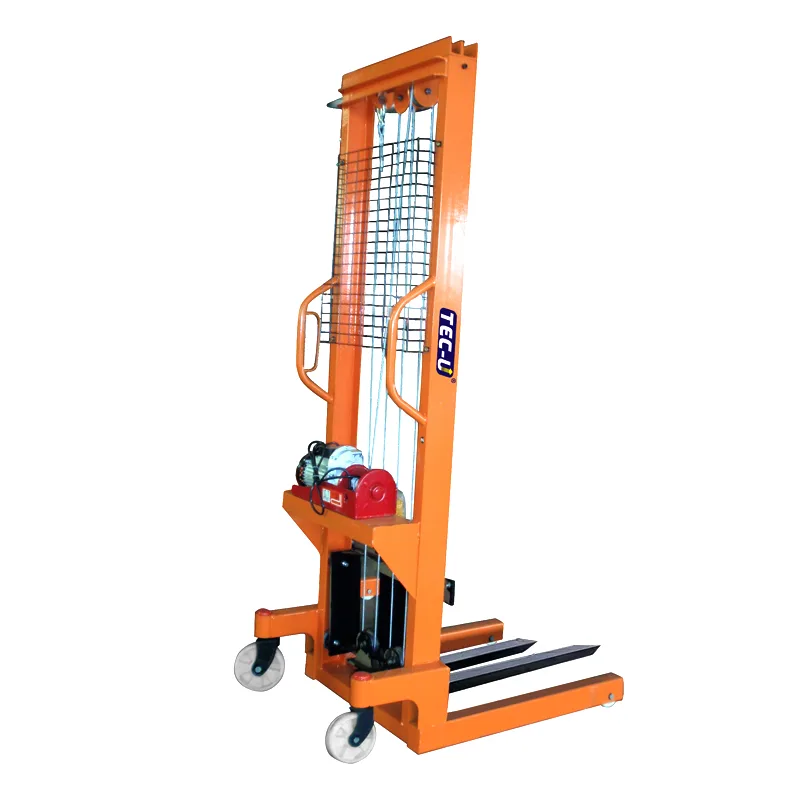
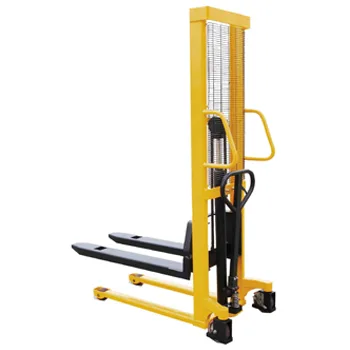
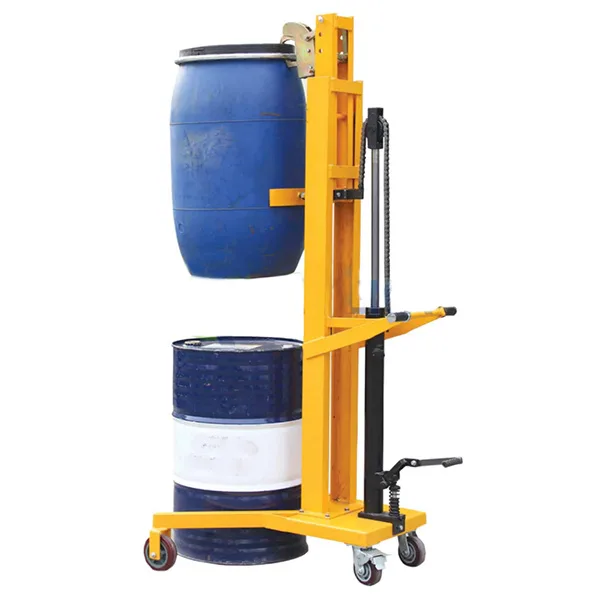
A hydraulic stacker is a material handling device designed to lift loads vertically and move them horizontally over short distances. It uses a hydraulic pump system. The operator controls lifting through manual or electric mechanisms depending on the model. Warehouses use hydraulic stackers to handle pallets, cartons, drums, and heavy components. These machines fit narrow aisles. They operate smoothly on flat surfaces. They minimize the reliance on forklifts in limited spaces. Companies working with a reliable Hydraulic Stacker manufacturer gain equipment that matches load capacity, lift height, and working conditions. This alignment directly improves productivity and safety.
Improved Material Handling Efficiency
Efficiency defines warehouse success. A hydraulic stacker speeds up loading and unloading tasks. Operators lift pallets to storage racks with minimal effort. Manual handling reduces sharply. One stacker can replace several manual workers for lifting tasks. This change cuts handling time per pallet. Faster movement means quicker order processing. Warehouses achieve higher throughput without expanding floor space. Choosing a trusted Hydraulic Stacker manufacturer allows businesses to select stackers with smooth hydraulic action and stable lifting. This design supports consistent daily performance.
Enhanced Workplace Safety
Safety remains a top concern in warehouses. Manual lifting causes back injuries and muscle strain. Forklifts increase accident risk in tight spaces. A hydraulic stacker reduces both problems. The operator controls lifting speed and height. Loads remain balanced during movement. Stable forks reduce tipping risk. Workers avoid direct contact with heavy goods. Warehouses using equipment from an experienced Hydraulic Stacker manufacturer benefit from strong frames, reliable hydraulics, and tested safety standards. These factors reduce accidents and downtime.
Cost Effective Warehouse Equipment
Hydraulic stackers offer strong value for money. They cost far less than forklifts. Maintenance remains simple. Fuel or battery expenses stay low depending on the model. Small and medium warehouses gain lifting capability without heavy investment. Even large facilities use stackers for secondary tasks to reduce forklift wear. A dependable Hydraulic Stacker manufacturer supplies durable components. This durability extends service life and lowers repair costs. Over time, the stacker pays for itself through labor savings and efficiency gains.
Space Optimization in Warehouses
Space limits storage capacity. Hydraulic stackers work well in narrow aisles and compact storage areas. Their smaller turning radius allows precise positioning. Warehouses can stack goods vertically to maximize racking height. This approach increases storage density without expanding building size. Working with a skilled Hydraulic Stacker manufacturer helps warehouses select models designed for specific aisle widths and lift heights. Proper selection directly supports better space utilization.
Easy Operation and Minimal Training
Hydraulic stackers feature simple controls. Operators learn basic functions quickly. Training time stays short compared to forklifts. Manual and semi electric models reduce operational complexity. New staff adapt faster. Productivity stays stable even during workforce changes. Equipment sourced from a professional Hydraulic Stacker manufacturer comes with clear operating guidelines and ergonomic designs. These features reduce operator fatigue and error rates.
Reduced Maintenance and Downtime
Downtime disrupts warehouse schedules. Hydraulic stackers use fewer moving parts than forklifts. This design simplifies maintenance. Routine checks focus on hydraulics, wheels, and forks. Spare parts remain affordable and accessible. Partnering with an established Hydraulic Stacker manufacturer improves reliability. Strong build quality reduces breakdowns. Warehouses maintain smooth operations with fewer interruptions.
Energy Efficient Performance
Energy costs impact warehouse budgets. Manual hydraulic stackers require no external power. Semi electric models consume minimal electricity. This efficiency supports sustainable operations. It also lowers long term operating expenses. A trusted Hydraulic Stacker manufacturer designs systems that deliver consistent lifting force without excess energy use. This balance supports cost control and environmental goals.
Better Load Control and Precision
Precision matters during stacking and retrieval. Hydraulic stackers allow controlled lifting and lowering. Operators place loads accurately on racks. This control protects goods from damage. It also reduces pallet misalignment and rework. Working with a capable Hydraulic Stacker manufacturer provides access to stackers with stable masts and smooth hydraulic response. These features improve handling accuracy.
Why Choose Us
Rudra Equipment focuses on practical material handling solutions built for real warehouse conditions. The company designs stackers with strong frames, reliable hydraulics, and user friendly operation. Rudra Equipment supports clients with clear guidance and dependable after sales service. Every hydraulic stacker reflects careful attention to load stability, safety, and long term performance. Warehouses trust Rudra Equipment for equipment that delivers consistent results without unnecessary complexity. This commitment makes Rudra Equipment a dependable partner for material handling needs.
Conclusion
Hydraulic stackers play a vital role in modern warehouses. They improve efficiency, safety, and space utilization. They reduce labor strain and operating costs. Their simple design supports easy operation and low maintenance. Warehouses of all sizes benefit from their versatility and precision. Choosing the right equipment from a reliable supplier strengthens daily operations and long term growth. A hydraulic stacker is not just a lifting tool. It is a strategic asset that supports safer workflows, faster movement, and smarter use of space.
Learn how hydraulic stackers improve warehouse efficiency and safety. Call +91 9925093683 or email rudraequipment73@gmail.com
Key Takeaways
- Hydraulic stackers improve warehouse efficiency by reducing manual lifting and speeding up pallet handling.
- They enhance workplace safety through controlled lifting and stable load movement.
- Lower purchase and maintenance costs make hydraulic stackers a cost-effective alternative to forklifts.
- Compact design helps optimize space in narrow aisles and high-density storage areas.
- Choosing a reliable Hydraulic Stacker manufacturer ensures durability, safety, and long-term performance.