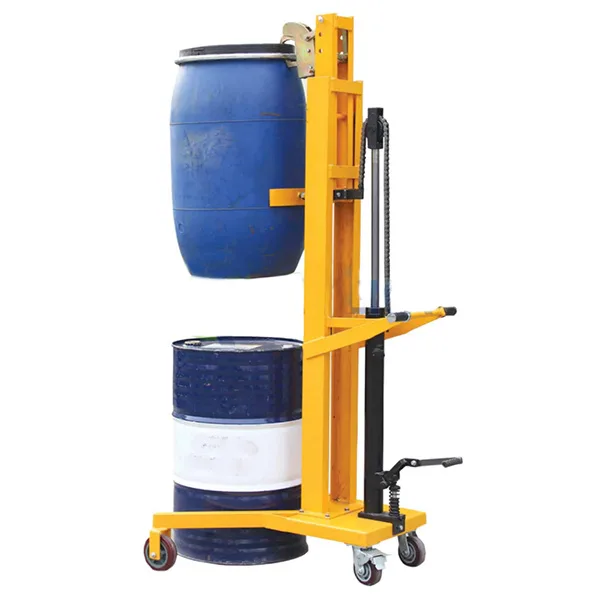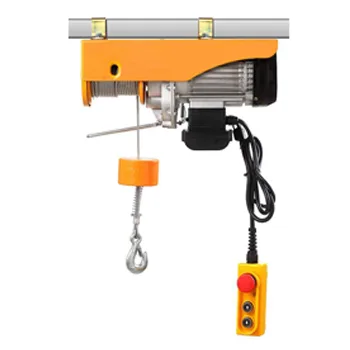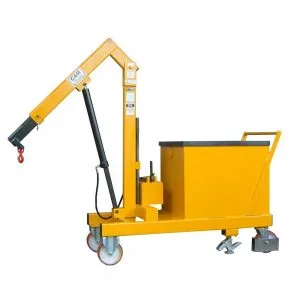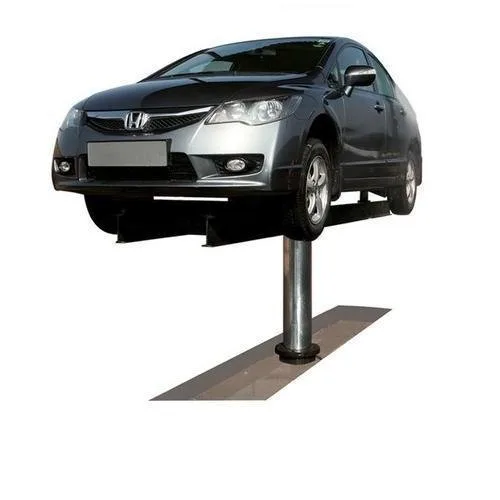
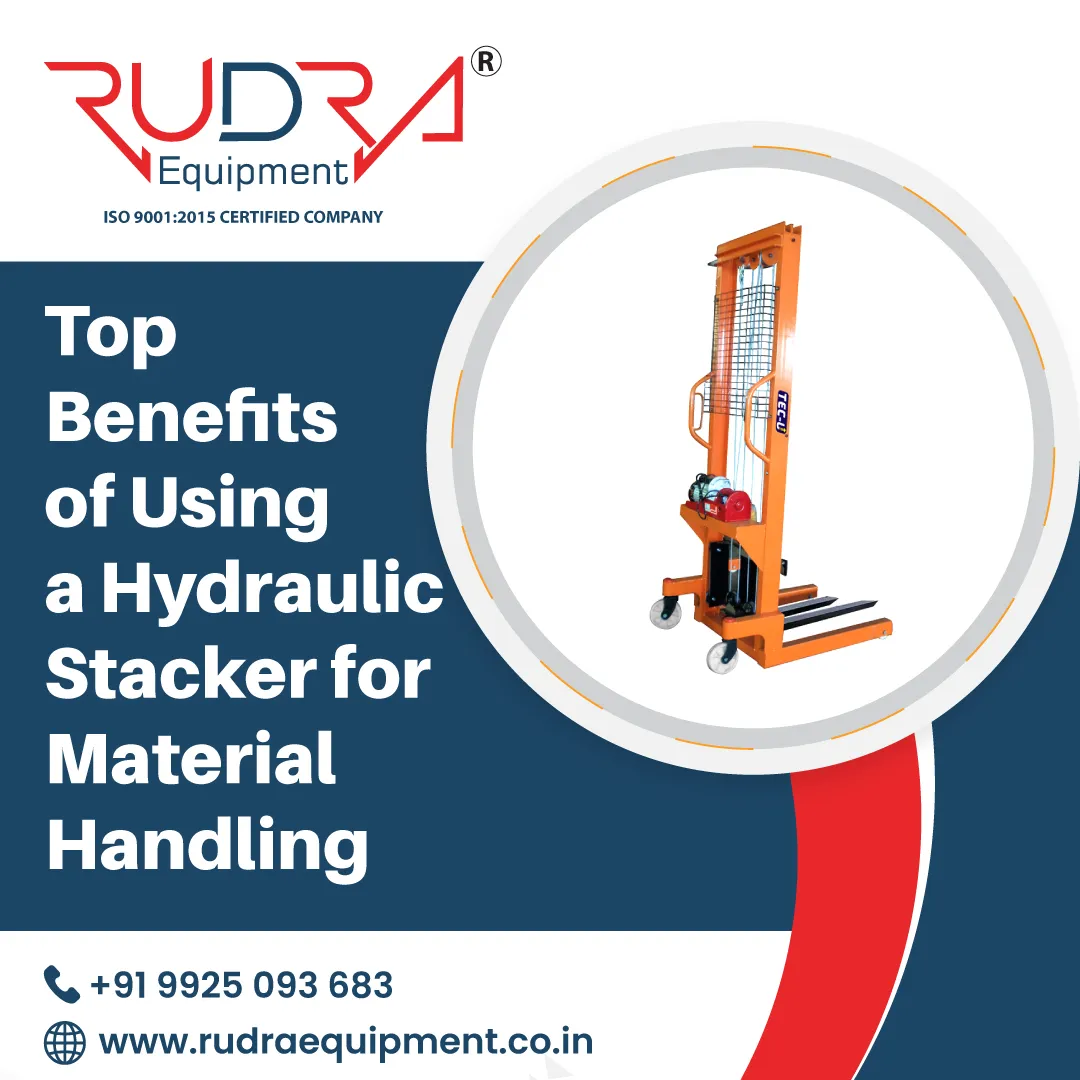
In modern warehouses, factories, and distribution centers, efficient and safe material handling is absolutely critical. One of the most powerful tools in this arena is a hydraulic stacker. Whether you’re lifting pallets, stacking goods, or organizing heavy inventory, a well-chosen hydraulic stacker can significantly boost productivity, reduce labor costs, and enhance workplace safety. In this blog, we’ll dive deep into the top benefits of using a hydraulic stacker, how to pick the right one, key features, and why Rudra Equipment is a trusted name in this domain.
What Is a Hydraulic Stacker?
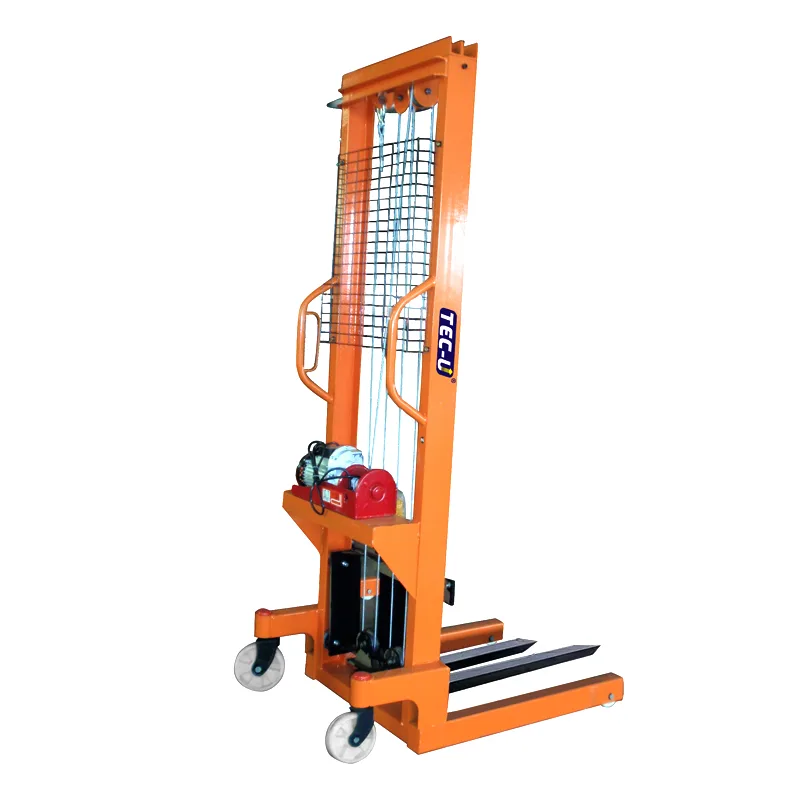
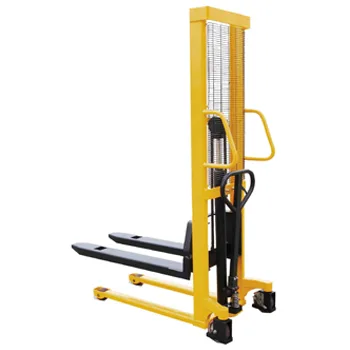
A hydraulic stacker is a lifting device designed to raise and move heavy loads vertically using a hydraulic system. Unlike traditional manual lifting, the hydraulic mechanism allows for smooth, controlled lifting and lowering. Hydraulic stackers can be manual, semi-electric, or fully electric — offering a broad spectrum of options based on your needs. Rudra Equipment, a leading material handling equipment manufacturer, offers a comprehensive range of hydraulic stackers tailored for industrial applications.
Key Advantages of a Hydraulic Stacker
- Increased Efficiency and Productivity: One of the most important benefits of using a hydraulic stacker is how it streamlines material handling. By using hydraulic power, these stackers can lift heavy loads far more easily than purely manual equipment, saving time and reducing the number of workers needed. With the lifting done more quickly and precisely, processes such as stacking, retrieval, and loading become much faster, helping your warehouse or plant operate more efficiently.
- Better Safety for Operators: Safety is a prominent advantage of the hydraulic stacker. Because lifting is handled by hydraulics, operator fatigue reduces significantly. Hydraulic systems also allow for more controlled lowering of loads, minimizing the risk of sudden drops or jerky movements. This stability reduces the likelihood of workplace injuries.
- Compact & Space-Saving: Hydraulic stackers are often more compact than forklifts or larger lifting machines. This means they’re highly effective in narrow aisles, tight warehouse corners, or storage areas where floor space is at a premium. Their maneuverability helps optimize layout and maximize usable space.
- Cost-Effective: Compared to heavy-duty forklifts or cranes, hydraulic stackers offer a more economical solution. GM Hydraulics notes that hydraulic stackers require lower maintenance and have long lifespans, making them cost-effective in the long run. Even fully electric or semi-electric hydraulic stackers from Rudra Equipment offer strong ROI: you invest in more productivity and less manual labor without paying for a very large machine.
- Versatile & Flexible: Hydraulic stackers come in a variety of types, which makes them highly versatile. Rudra Equipment provides different models — manual, semi-electric, and fully electric — allowing you to choose based on your load capacity, lifting height, and operating conditions. Such flexibility means you can deploy stackers in multiple areas of your operations — from ground-level lifting to high stacking racks — without needing multiple specialized machines.
- Precise, Smooth Operation: With a hydraulic system, you get very fine control over lifting and lowering speeds. The flow of hydraulic fluid gives smooth motion, preventing sudden jolts. This precision is very valuable when handling fragile goods, delicate pallets, or items that require careful placement.
Types of Hydraulic Stackers Offered by Rudra Equipment
Rudra Equipment supplies a broad range of hydraulic stacker models, tailored to different industrial needs:
- Manual Hydraulic Stacker: Model RE108 can handle up to 500 kg with a maximum fork height of 1.6 m.
- Semi-Electric Hydraulic Stacker: Combines manual movement with electric lift, making it a balanced option for medium-duty tasks.
- Fully Battery-Operated Stacker: Rudra’s model RE110 supports a lifting capacity of 1500 kg, with lift heights going up to 3500 mm.
- Walkie Electric Stacker: Another version of RE110, with a battery-powered drive and lift, designed for long-duration operations and ease of handling.
Operational Efficiency: How Hydraulic Stackers Help in Material Handling
- Reducing Labor Effort: Thanks to hydraulic power, workers don’t need to pump manually again and again (in case of manual hydraulic models) or exert physical strength to lift heavy loads. This significantly reduces fatigue and increases worker throughput.
- Speed and Cycle Times: Hydraulic stackers speed up your lifting and stacking cycles. Faster lifts mean more pallet movements per hour and better utilization of facility space. Rudra Equipment’s electric stackers, for instance, lift efficiently even at high heights.
- Minimizing Damage to Goods: Because the lift and lowering are smooth and controlled, the risk of damaging goods during handling is lower. This benefits fragile, high-value, or sensitive goods, ensuring safe stacking and retrieval.
- Space Optimization: In warehouses where aisle width or ceiling height is constrained, using a hydraulic stacker helps you maximize vertical space without requiring very wide driving aisles. Compact design + precise lift = more efficient storage.
Safety and Ergonomics
- Lower Risk of Musculoskeletal Injuries: Training workers on a hydraulic stacker is simpler compared to heavy forklifts. Reduced manual effort means lower risk of strains or injury.
- Built-in Safety Features: Many hydraulic stackers — including those from Rudra Equipment — come with safety brakes, overload protection, and stable hydraulic mechanisms to prevent sudden drops or failure. These stackers also offer stable bases and well-designed forks for safe lifting.
- Controlled Descent: Because hydraulic fluid flow can be regulated, lowering a load is gradual and safe. This avoids the shock loads that could otherwise destabilize goods or the stacker itself.
Maintenance and Reliability
Hydraulic systems are relatively simple and robust compared to complex electrical or mechanical systems. Here’s why maintenance is manageable:
- Regular checks of hydraulic fluid levels, seals, and pumps keep stackers in good working shape.
- Fewer moving mechanical parts than in full-scale forklifts mean less wear and tear.
- Rudra Equipment provides maintenance support and spare parts, helping you maximize the life of your hydraulic stacker.
- For battery-operated models, checking the battery health and recharge cycles is straightforward and part of routine preventive maintenance.
When to Choose a Hydraulic Stacker
A hydraulic stacker makes sense when:
- You need to move pallets or goods vertically (stacking) and horizontally over short to medium distances.
- Labor cost or safety concerns make manual lifting inefficient or risky.
- Your operational space is constrained — especially in height or aisle width — and you want to optimize material flow.
- You want a cost-effective alternative to forklifts for medium duty lifting.
- You need precise, controlled lifting and lowering for sensitive or high-value items.
Cost-Benefit Analysis
Investment vs. ROI
While a hydraulic stacker costs more than a simple pallet truck, it is significantly cheaper than a forklift. The return on investment comes from increased efficiency, reduced labor, and fewer accidents or damaged goods.
Running Costs
- Manual hydraulic stackers: Very low running cost since there’s no electricity or battery to maintain.
- Semi-electric stackers: Moderate costs — battery and limited electrical components.
- Fully electric hydraulic stackers: Higher running cost (battery, charger) but very efficient, especially under heavy use.
Maintenance Costs
Hydraulic maintenance (fluid, seals) tends to be predictable and affordable. Rudra Equipment’s service support helps minimize unexpected downtime.
Productivity Gains
With faster lift cycles, smoother operation, and reduced manual strain, operations become more productive. More stock moves with fewer resources, and warehouse throughput improves.
Why Choose Us
At Rudra Equipment, we are deeply committed to delivering top-of-the-line hydraulic stacker solutions engineered for real-world industrial challenges. Our years of experience as a Hydraulic Stacker Manufacturer in India allow us to design and build stackers — manual, semi-electric, and battery-powered — that exactly match your lifting capacity, height, and safety needs. We prioritize quality, reliability, and after-sales support, ensuring every hydraulic stacker from Rudra Equipment serves you powerfully and durably. Our customer-centric approach means you get the right stacker, backed by expert guidance and service that add long-term value to your material handling operations.
Conclusion
Hydraulic stackers represent a smart, efficient, and safe solution for modern material handling challenges. The benefits of using a hydraulic stacker include improved productivity, lower labor costs, better safety, and space optimization — all crucial for growing industrial operations. With Rudra Equipment’s diverse lineup of manual, semi-electric, and fully electric stackers, you can select the right hydraulic stacker tailored to your workflow and requirement. By investing in a hydraulic stacker from Rudra Equipment, you are not just buying machinery — you are enhancing your operational capacity, protecting your workforce, and achieving long-term efficiency.
If you want more information about the hydraulic stacker, call us at +91 9925093683 or email rudraequipment73@gmail.com.