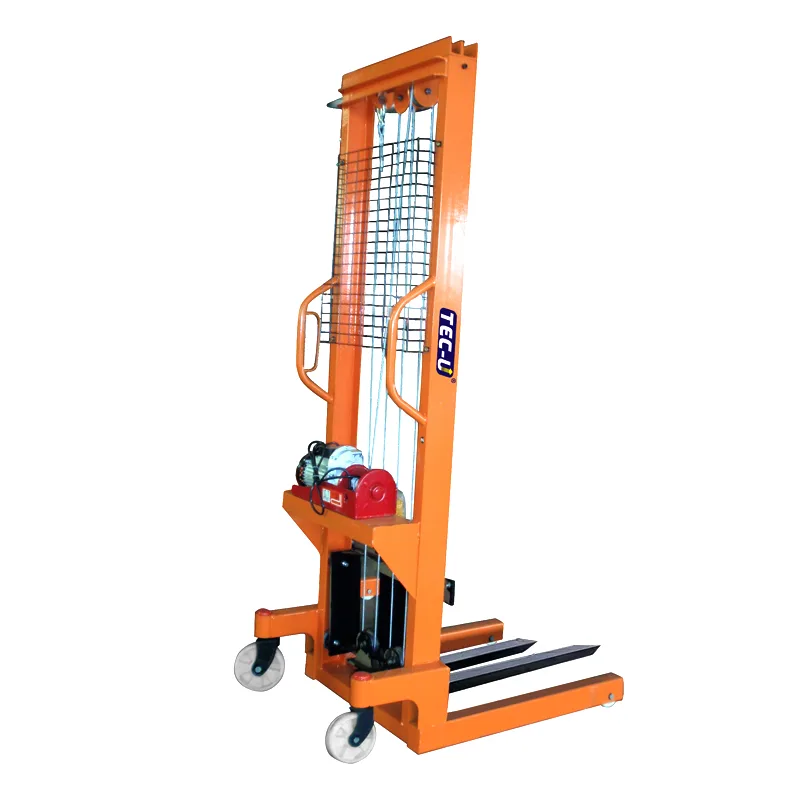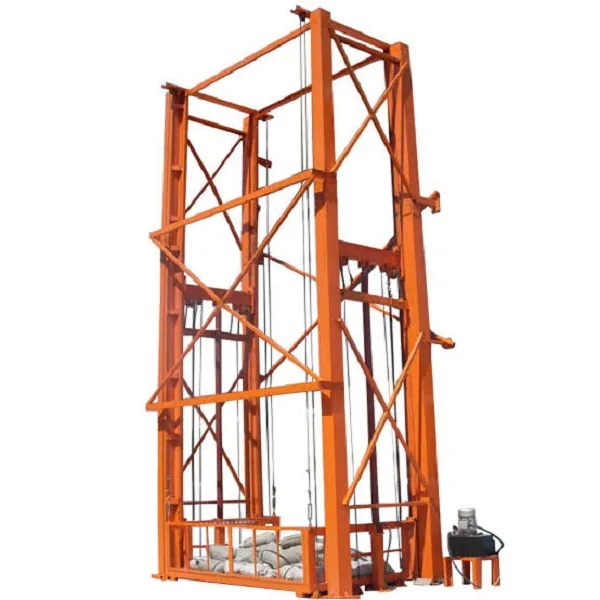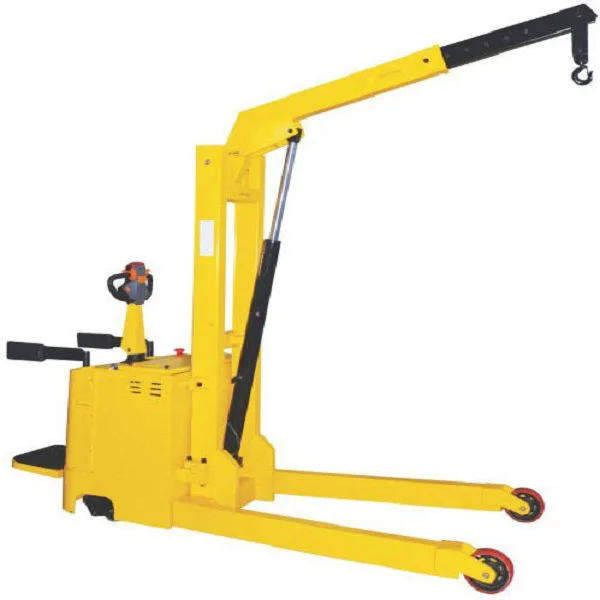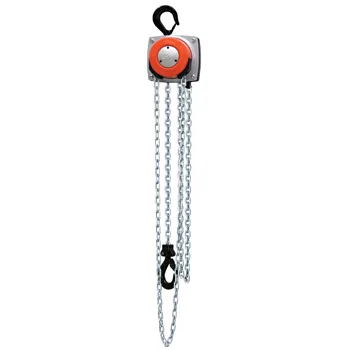
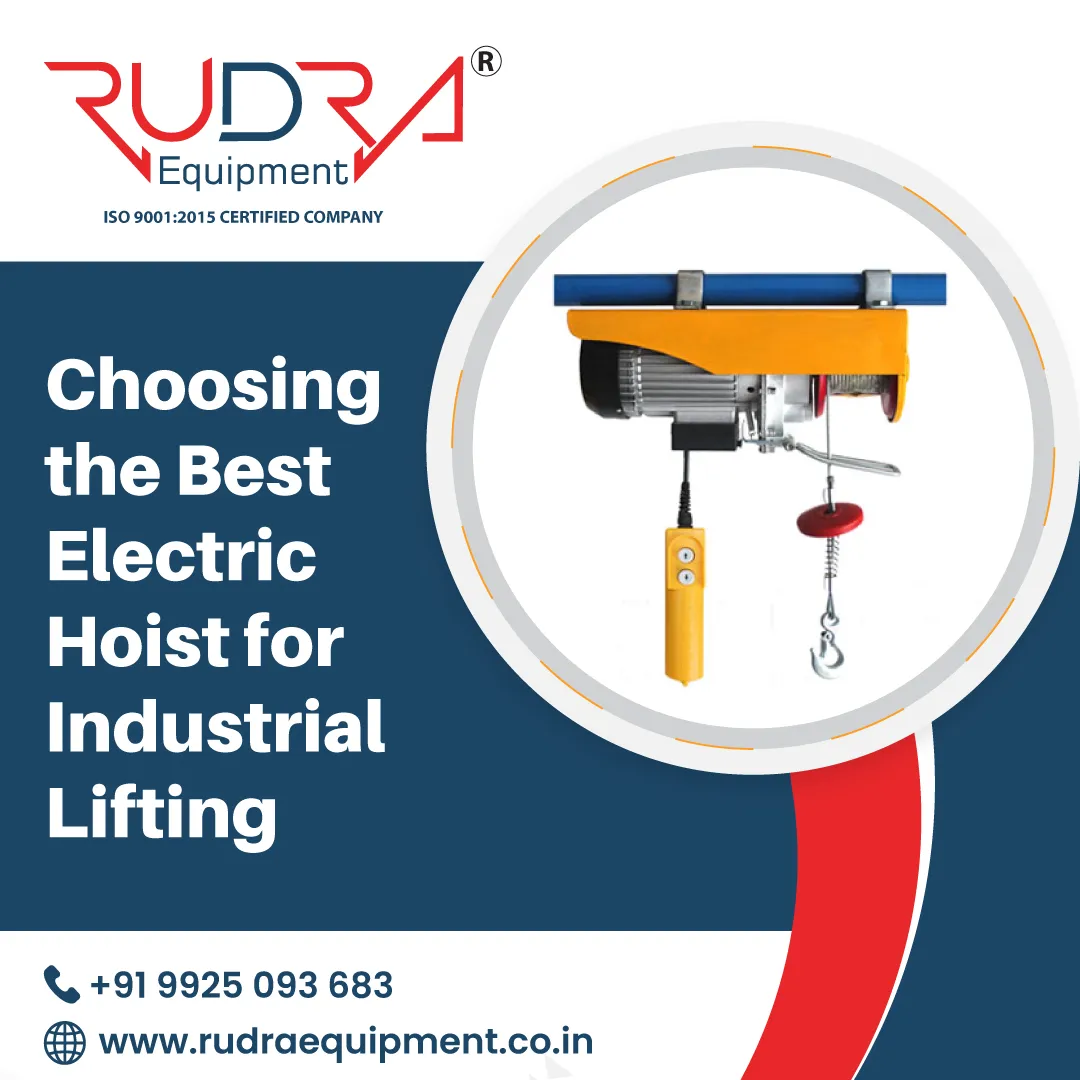
In today’s industrial environment, electric hoist systems play a pivotal role in lifting heavy loads efficiently, safely, and cost-effectively. Whether in factories, construction sites, or warehouses, choosing the right electric hoist can significantly impact productivity, safety, and long-term operational costs. For businesses relying on material handling equipment, Rudra Equipment offers a wide range of electric hoists tailored to diverse industrial needs. In this detailed guide, we will walk you through how to select the best electric hoist for industrial lifting, what factors matter the most, and why Rudra Equipment stands out as a trusted partner.
Understanding Your Lifting Needs
- Load Capacity: Before choosing an electric hoist, you must carefully analyze the maximum load you intend to lift. Overestimating or underestimating this can lead to safety risks or inefficient usage. The rated capacity or safe working load (SWL) is a crucial specification. Rudra Equipment’s wire rope hoists, for instance, span from 0.25 Ton to 50 Ton, covering a wide variety of industrial lifting scenarios.
- Lift Height: Another critical factor is how high you need to lift the load. The lifting height determines the length of rope or wire needed, and by extension, the design of the drum, motor, and structure. For very tall lifts, you may need a specialized high-lift electric hoist to accommodate the vertical distance without strain.
- Duty Cycle / Working Class: Hoists do not all work at the same frequency. Some hoists operate continuously, others intermittently. The duty cycle (often expressed in ED%) indicates how much time in a given period the hoist can run without overheating. According to hoisting equipment manufacturers, if frequent starts or longer runs are needed, opt for units rated for short-time duty or with stronger motors and thermal design.
- Environment & Operating Conditions: Industrial sites can present challenging conditions—dust, moisture, temperature variations, or even explosive atmospheres. Choose an electric hoist suited to your environment. For example, if there’s risk of corrosion or harsh weather, go for models with protective coating. If there’s risk of gas or dust explosion, consider flame-proof hoists. Rudra Equipment offers flame-proof hoists complying with relevant safety standards.
Key Technical Features to Consider
- Rope / Chain Type
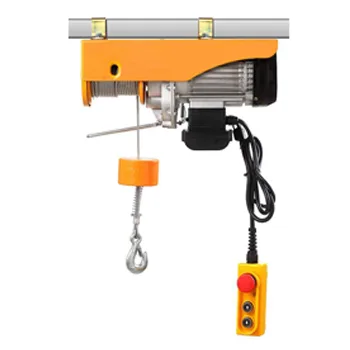
- Wire Rope Hoist: Provides high strength and durability, ideal for heavy loads. Rudra Equipment's wire rope hoists have machined steel frames, seamless steel drums, and conform to IS-2266 & IS-3938 standards.
- Chain Hoist: Lighter, more compact, and useful for lower capacity applications.
- Motor Power and Build: Look for motors with high-quality winding (e.g., 100% copper) for better efficiency and longevity. Rudra Equipment’s winches use copper windings, which ensure efficiency and durability. Also, ensure that the motor can handle the operating regime (duty cycle) without overheating.
- Braking Mechanism: A reliable brake is essential. In electric hoists, brakes should safely hold the load when controls are released or during power failure. According to safety standards, braking systems must stop and hold the load even when the control is idle.
- Limit Switches and Safety Features: Limit switches prevent the hoist from overwinding or over-lowering, acting as an emergency safety mechanism—not as a regular travel stop. Additionally, overload protection, proper hook design, and mechanical design factors (safety factors) must be carefully selected.
- Duty Class Standards: Hoists should be rated by recognized standards. For instance, Indian industrial specifications require wire rope hoists to comply with IS 3938. Design factors (safety margins) as per standard codes ensure structural safety even under load.
Maintenance and Reliability
- Preventive Maintenance: Rudra Equipment recommends regular preventive maintenance: testing hoisting/lowering, trolley travel, inspecting limit switches, and checking brakes. Make sure maintenance manuals are followed, and spare parts are accessible.
- Load Testing: After installation, load testing is essential to ensure the device performs safely at its rated load. The safe working load should be clearly marked on hoists as well as hooks. Periodic load tests also help in early detection of wear or fatigue.
- Service Network: A strong after-sales service network ensures faster repair, part replacement, and minimal downtime. Rudra Equipment, being a dedicated material handling equipment manufacturer, provides reliable support and spare parts.
Types of Electric Hoists Offered by Rudra Equipment
Rudra Equipment has a wide product range to suit different industrial lifting situations:
- Electric Wire Rope Hoists (from 0.25 Ton to 50 Ton) for heavy-duty lifting.
- Electric Winch with Clutch, e.g., 500–1000 kg capacity, 3 HP, 220 V, with 40m wire rope — suited for construction, marine, industrial use.
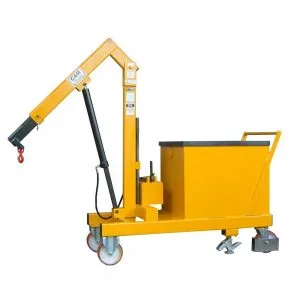
- Mini / Monkey Crane (500 kg) compact crane with 360° rotation, for restricted areas like rooftops, tunnels, or uneven terrain.
- Electric Wire Rope Hoist with Electric Trolley, 500 kg model, to enable movement along a beam with speed options.
Cost-Benefit Considerations
When choosing an electric hoist, balance cost, performance, and long-term value:
- Initial Cost: Higher-grade hoists (with higher capacity, long lift heights, or special safety features) cost more but deliver better ROI when matched correctly.
- Operating Cost: Electric hoists consume electricity; efficient motors (like copper-wound) help reduce power consumption.
- Maintenance Cost: Preventive maintenance and regular inspections prolong life and avoid costly downtime.
- Productivity Gains: A hoist that is too weak or too slow may cause bottleneck processes. A well-chosen hoist speeds up lifting cycles, boosting output.
Advantages of Choosing the Right Electric Hoist
- Improved Productivity: Faster lifting and lowering, less downtime.
- Enhanced Safety: Reliable braking, safe working load clearly defined, overload protection.
- Durability: Sturdy construction (steel frame, properly grooved drums), quality motors, and gearboxes help withstand frequent usage.
- Cost Efficiency: Long lifespan, minimal maintenance issues, and energy-efficient components reduce total cost of ownership.
- Scalability: With a range from 0.25 Ton to 50 Ton, you can scale as your operations grow.
Why Choose Us
At Rudra Equipment, we specialize in delivering high-quality electric hoist solutions tailored to your industrial lifting needs. Our hoists are engineered to Indian standards (such as IS-3938), built with durable components, and designed for longevity. With a comprehensive product range — from compact monkey cranes to heavy-duty wire rope hoists — we address applications across construction, manufacturing, marine, and warehouse sectors. Our commitment to after-sales service, preventive maintenance, and safe operation sets us apart, making Rudra Equipment a trusted partner for reliable, efficient lifting solutions.
Conclusion
Choosing the best electric hoist for industrial lifting is a decision that hinges on understanding your load requirements, operating environment, duty cycles, and safety needs. By evaluating these factors and matching them with the right technical features — like motor capacity, braking systems, switches, and construction quality — you can significantly improve productivity, safety, and return on investment. Rudra Equipment’s portfolio of wire rope hoists, mini cranes, and winches offers flexible, dependable solutions for diverse industrial scenarios. With proper maintenance, training, and inspections, you ensure that your hoist remains a robust asset for years to come.
If you’re looking for more information on electric hoists, call us at +91 9925093683 or email rudraequipment73@gmail.com.