Table of Contents
- Introduction
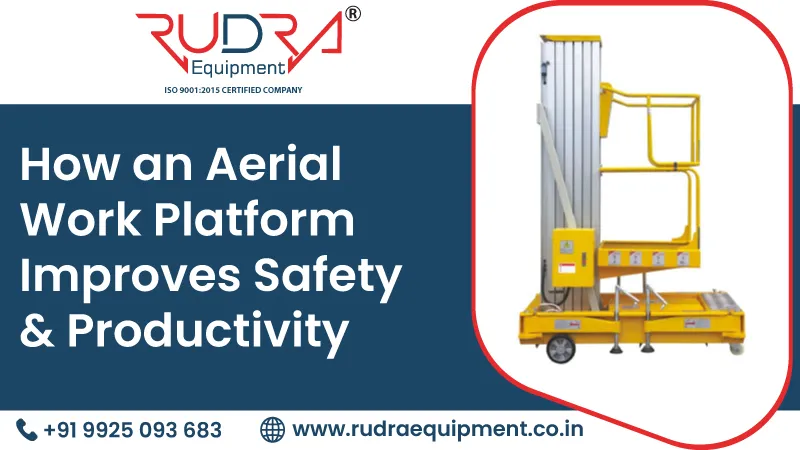
Working at heights remains one of the highest risk activities in industrial and commercial environments. Maintenance, installation, inspection, and construction tasks demand access to elevated areas where falls, instability, and fatigue create serious hazards. Traditional methods such as ladders and scaffolding limit mobility and increase risk. An aerial work platform provides a safer and more productive solution for working at height.
Understanding an Aerial Work Platform
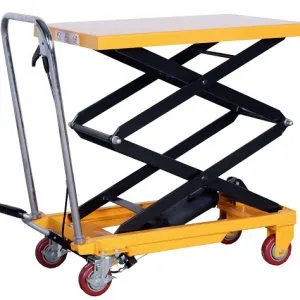
An aerial work platform is a mechanical device designed to lift workers, tools, and materials to elevated work areas. It provides a stable working surface with controlled vertical and horizontal movement. These platforms replace unsafe climbing methods and allow workers to perform tasks at height with better balance and reach. Industries use aerial work platforms in warehouses, factories, construction sites, airports, shopping complexes, and maintenance facilities. Working with experienced Aerial Work Platform Manufacturers allows businesses to select platforms that match height requirements, load capacity, and site conditions.
Why Working at Height Requires Safer Solutions
Falls from height account for a major share of workplace injuries. Ladders limit movement and stability. Scaffolding requires time consuming assembly and occupies large floor space. Both methods increase fatigue and slow down work. An aerial work platform provides guardrails, stable flooring, and controlled movement. Workers focus on tasks instead of balancing themselves.
How Aerial Work Platforms Improve Workplace Safety
Safety improves when workers operate from a secure platform. Guardrails protect against falls. Nonslip surfaces improve footing. Emergency lowering systems support controlled descent during power issues. Operators maintain correct posture and reach work areas without overextension. This reduces strain and accidents. Facilities that use equipment from trusted Aerial Work Platform Manufacturers record fewer injuries and safer working conditions.
Productivity Benefits of Aerial Work Platforms
Productivity improves when access equipment supports smooth movement. Workers reach elevated areas faster. They reposition platforms quickly without climbing down and relocating ladders. Tools and materials remain on the platform, reducing repeated trips. Tasks complete faster with fewer interruptions.
Types of Aerial Work Platforms
Single Mast Aerial Work Platform
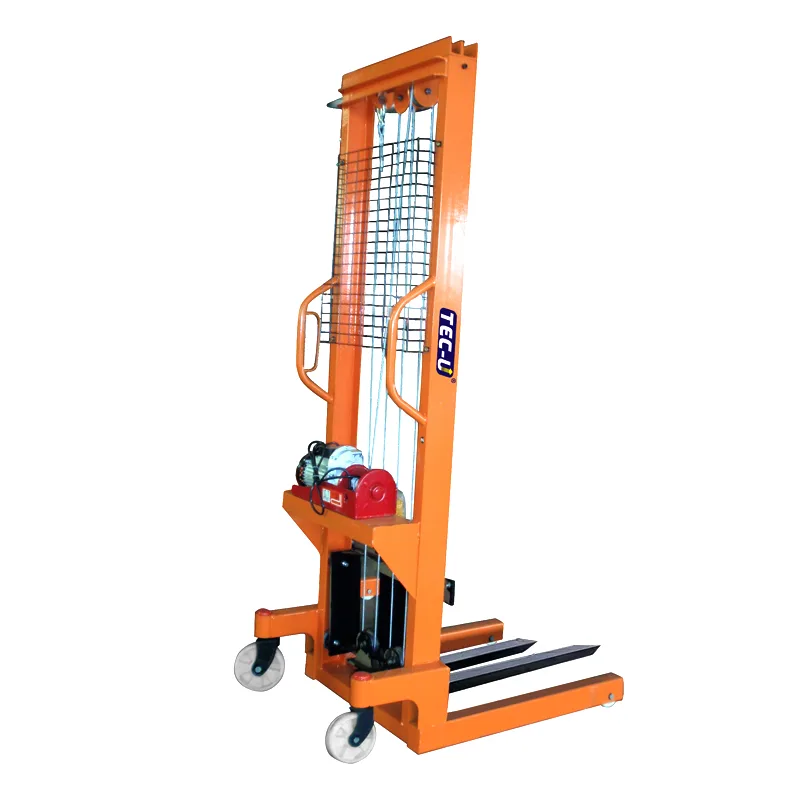
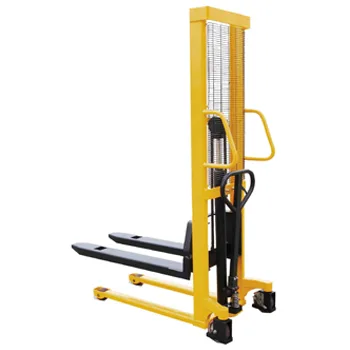
A single mast aerial work platform suits tasks that require vertical access in compact spaces. Its slim structure allows smooth movement through narrow aisles and doorways. This platform supports maintenance, installation, and inspection work at moderate heights. Operators benefit from stable elevation and easy control. Facilities prefer this type for indoor use where space remains limited. Reputed Aerial Work Platform Manufacturers recommend single mast platforms for warehouses, malls, and service areas with frequent height access needs.
Double Mast Aerial Work Platform
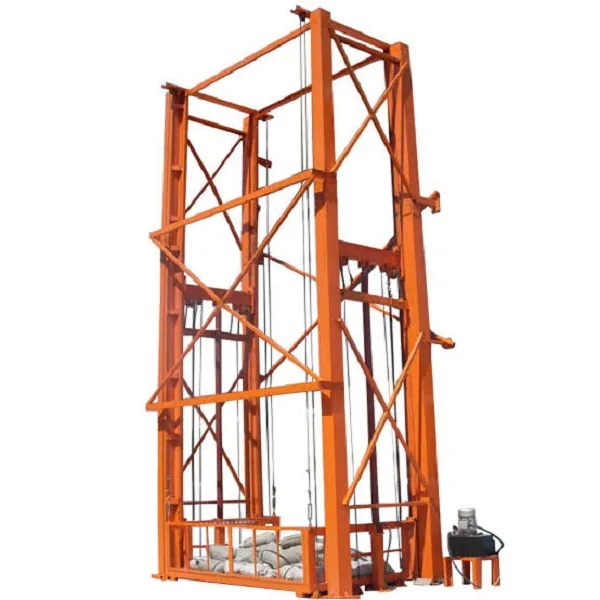
A double mast aerial work platform provides higher load capacity and enhanced stability at greater heights. The dual mast structure distributes weight evenly during lifting. This design supports longer working hours and heavier tool loads. Industries use double mast platforms for demanding maintenance and installation tasks. Improved balance reduces platform sway and improves worker confidence. Experienced Aerial Work Platform Manufacturers suggest double mast platforms for factories, production plants, and large facilities requiring reliable elevated access.
Improved Efficiency in Maintenance Operations
Maintenance teams require frequent access to elevated equipment. Aerial work platforms reduce setup time and increase task speed. Teams complete inspections and repairs without building temporary structures. Consistent access improves maintenance schedules and reduces downtime. Facilities that rely on solutions from skilled Aerial Work Platform Manufacturers maintain higher equipment availability.
Better Load Handling and Tool Access
Aerial work platforms support tools and materials at height. Workers avoid climbing up and down repeatedly. This improves task continuity and reduces fatigue. Platforms support rated load capacities for safe operation. Professional Aerial Work Platform Manufacturers design platforms to balance distribution and stability.
Enhanced Stability and Control
Stability plays a key role in working at height. Aerial work platforms feature wide bases, outriggers, and controlled lifting systems. These features reduce sway and vibration. Operators work with confidence and precision. This stability improves work quality. Trusted Aerial Work Platform Manufacturers test platforms under load to support stable operation.
Energy Efficiency and Operational Cost
Modern aerial work platforms operate on electric or hybrid systems. Electric models suit indoor use with low noise and zero emissions. Hybrid models support outdoor use with reduced fuel consumption. Efficient operation lowers long term cost. Businesses benefit from reduced energy expenses. Leading Aerial Work Platform Manufacturers focus on performance with controlled energy use.
Durability and Long Term Reliability
Industrial environments demand robust equipment. Aerial work platforms use strong steel structures and reliable lifting mechanisms. Proper maintenance supports long service life. Durable design reduces repair frequency. Businesses benefit from predictable performance. Experienced Aerial Work Platform Manufacturers focus on building quality and component strength.
Choosing the Right Aerial Work Platform
Selecting the right platform depends on height requirement, reach, load capacity, and environment. Indoor and outdoor applications require different features. Consulting with professional Aerial Work Platform Manufacturers helps businesses select equipment that matches operational needs and safety goals.
Why Choose Us
Rudra Equipment focuses on providing aerial work platforms designed for real industrial challenges. The company understands safety requirements and productivity goals across sectors. Rudra Equipment offers platforms built with strong structures, stable movement, and practical controls. The team works closely with clients to recommend suitable models based on height, load, and application. With a focus on reliability, service support, and long term value, Rudra Equipment stands as a dependable partner for working at height solutions.
Conclusion
Aerial work platforms transform how industries handle work at height. They improve safety by reducing fall risk and operator strain. They improve productivity by reducing setup time and supporting continuous work. Different platform types address varied access challenges across industries. Selecting the right equipment supports efficient operations and safer workplaces. Working with experienced manufacturers adds reliability and compliance. An aerial work platform represents a smart investment for businesses focused on safety, efficiency, and consistent performance. Proper selection and use deliver lasting operational benefits.
Learn how an aerial work platform improves safety and productivity at height. Call +91 9925093683 or email rudraequipment73@gmail.com
Key Takeaways
- Aerial work platforms significantly improve safety by reducing fall risks and providing stable working surfaces.
- They boost productivity by allowing faster access, smooth repositioning, and uninterrupted work at height.
- Different platform types support varied applications, from narrow indoor spaces to complex outdoor reach.
- Reduced setup time and better load control improve operational efficiency and work quality.
- Selecting equipment from experienced Aerial Work Platform Manufacturers ensures compliance, durability, and long-term performance.